An international community connecting GIScience, GeoAI, spatial data science, remote sensing and geospatial technologies across academia, industry and government.
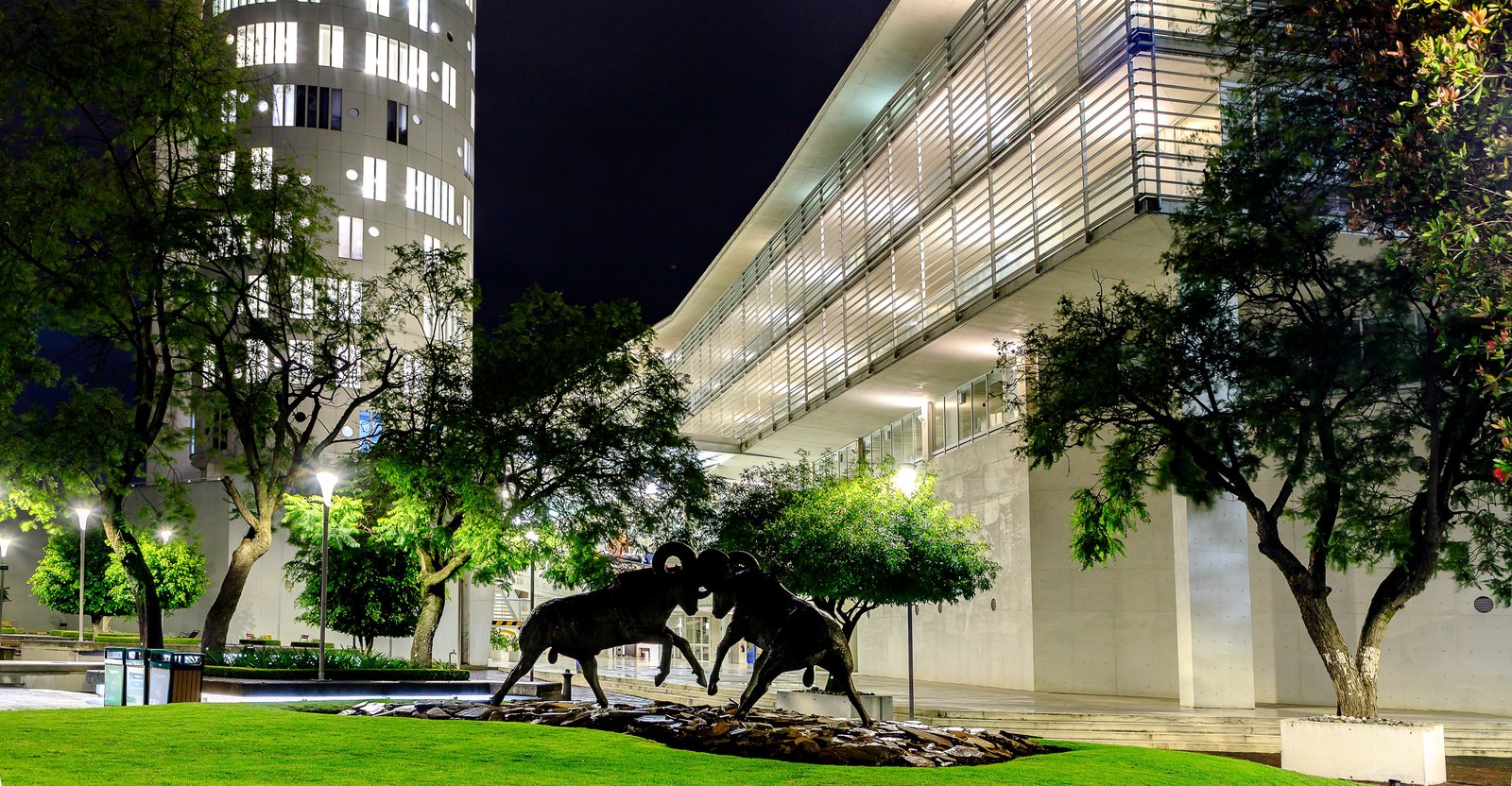
GIS LATAM 2026 will be hosted at Tecnológico de Monterrey, Campus Estado de México, bringing together an international community in a modern academic and innovation-oriented environment.

International keynote speakers connecting GIScience, urban intelligence, spatial data science and digital geography.

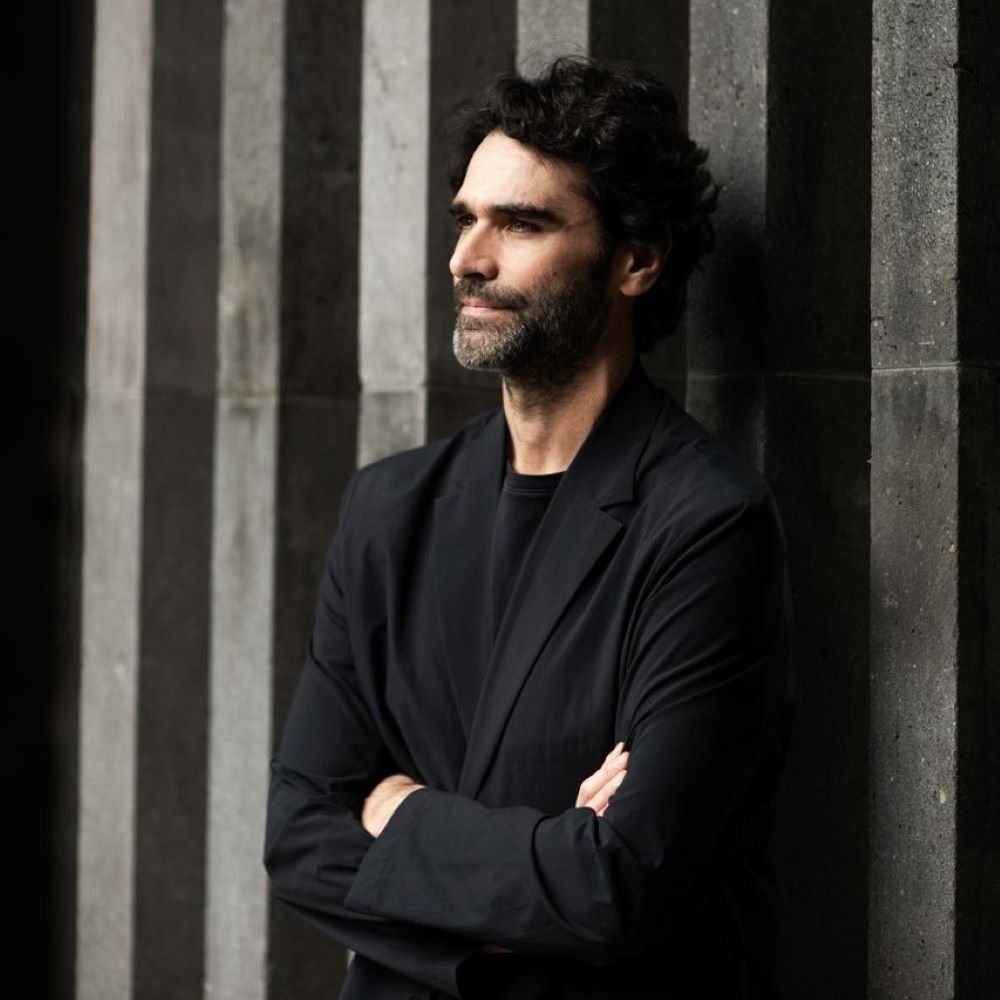
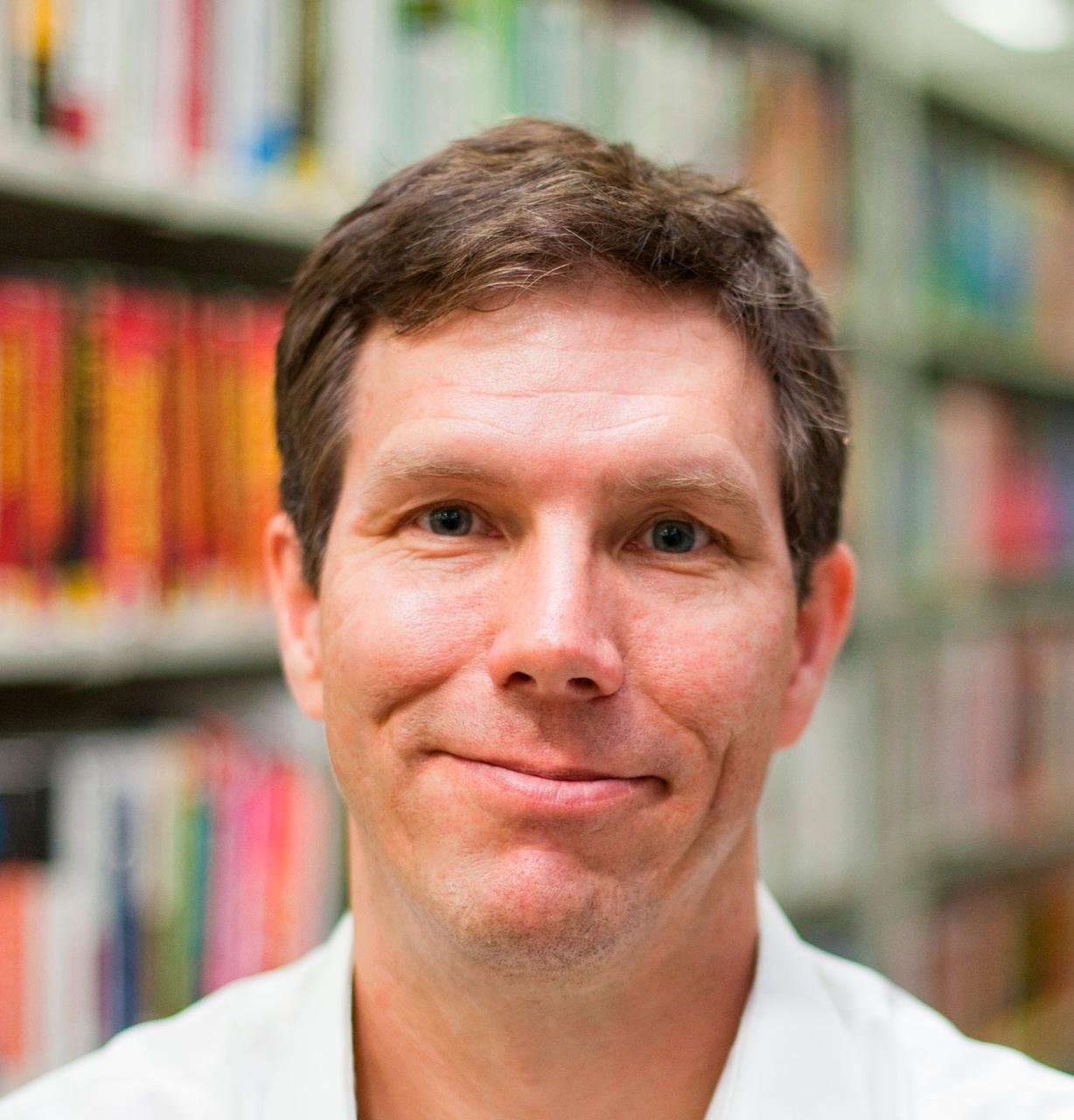
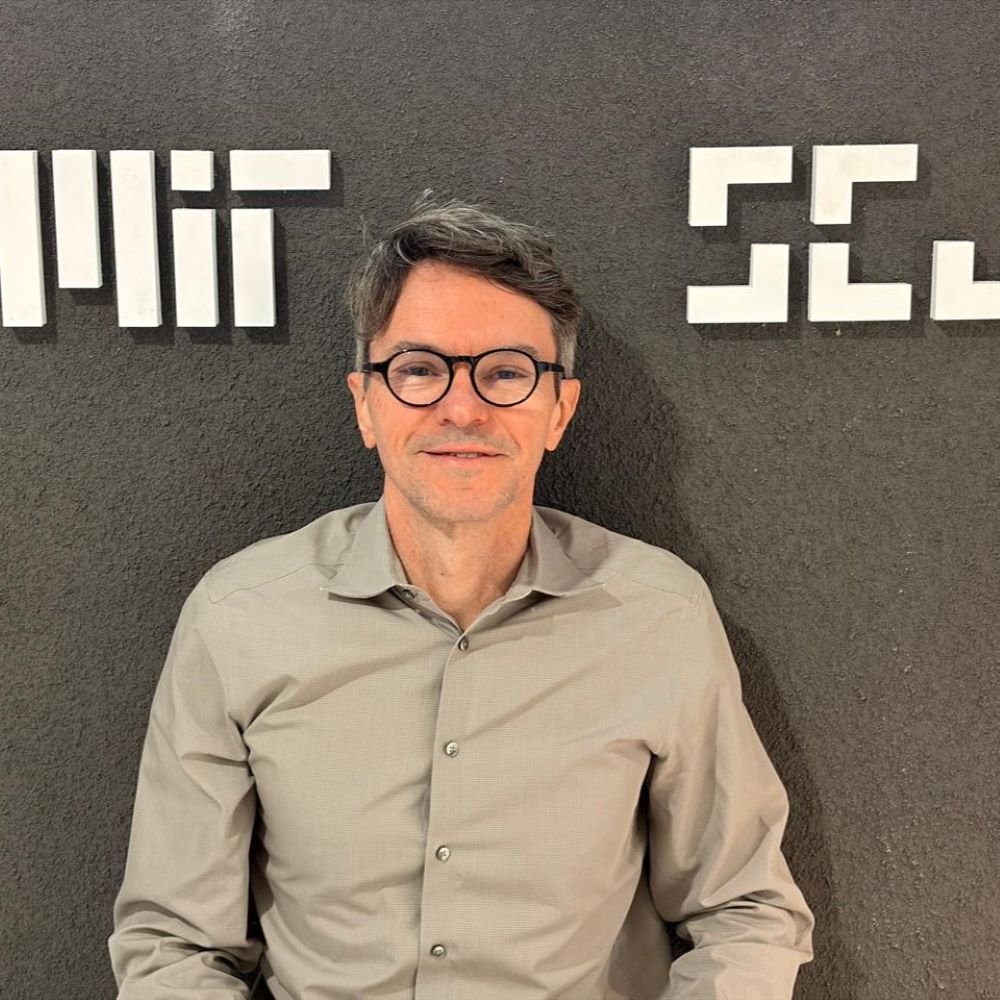
Associate Director of the MIT Senseable City Lab.
TBCFábio Duarte is a Principal Research Scientist at the Massachusetts Institute of Technology and Associate Director of the MIT Senseable City Lab. Duarte investigates urban technologies, and his upcoming book is “How AI sees cities”(Routledge).

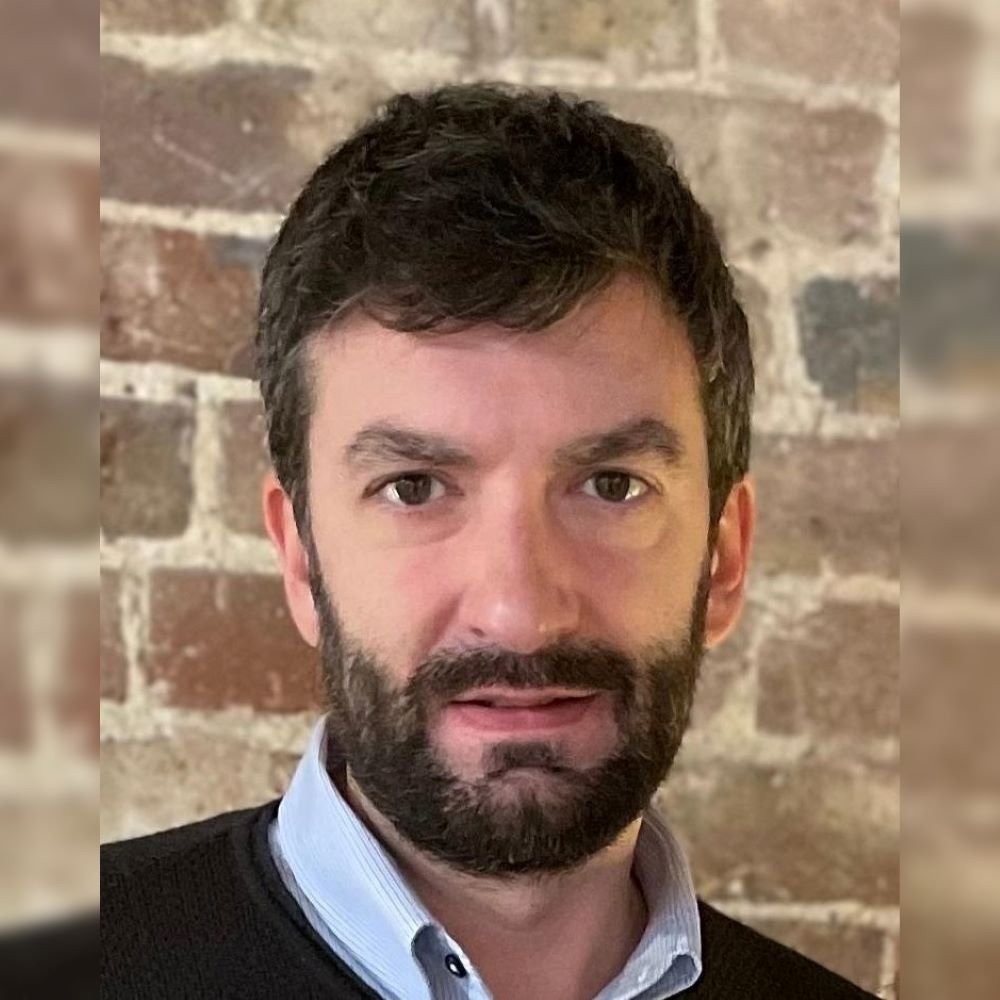
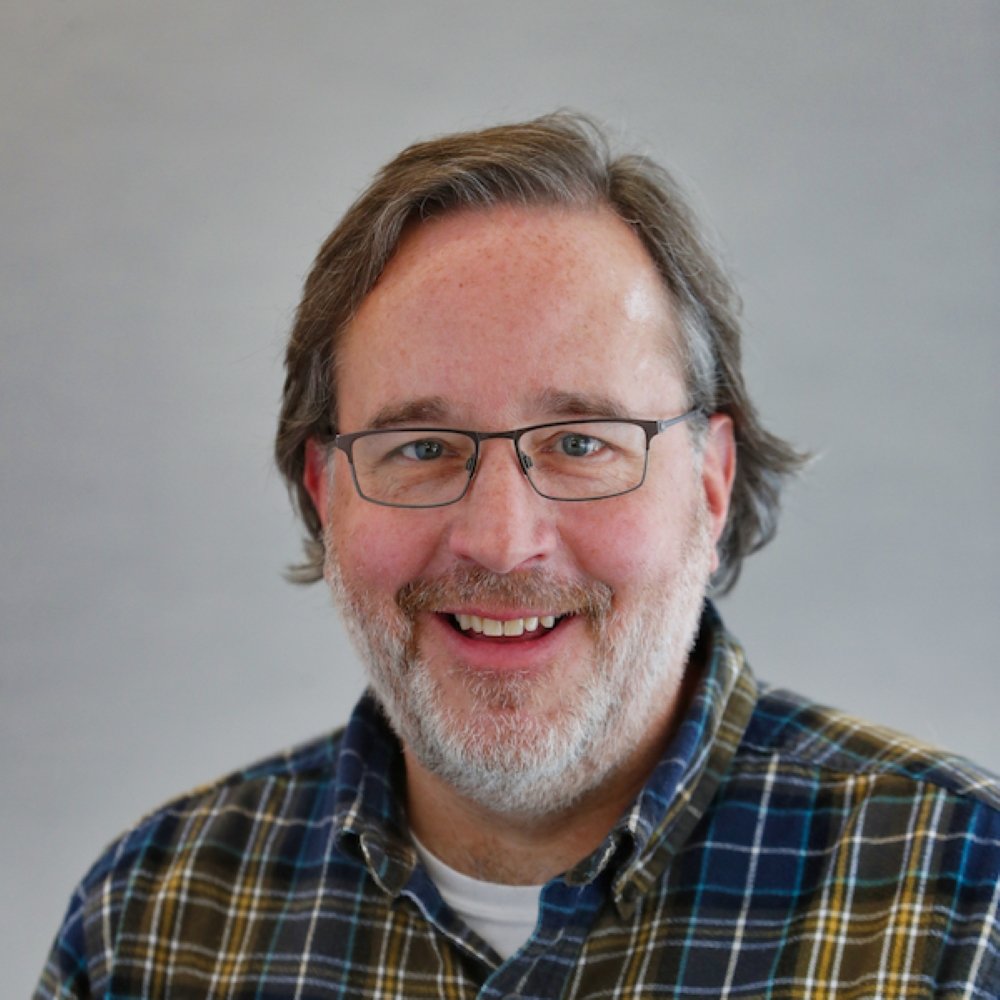
Architect, urban planner and PhD in Geography.
TBCGustavo Romanillos is Architect, urban planner, and PhD in Geography, his work focuses on the visualization, spatial analysis, and modeling of urban and social dynamics by applying Geographic Information Systems (GIS) and emergent technologies. He has a particular focus on cartography and the use of new and unconventional data sources with high spatio-temporal granularity. He is an Associate Professor at the Complutense University of Madrid (UCM), where he coordinates the Master in Smart and Sustainable Cities and directs the Diploma on Sustainability and Digitization. He has also taught at the Architectural Association School of Architecture in London, served as a Visiting Scholar at the Harvard Graduate School of Design, and has been a guest lecturer at universities across Europe and Latin America. As an architect, he has developed a wide range of projects, several of which have been awarded in international competitions. As a researcher, he is a member of the tGIS research group at UCM, and as a consultant, he has collaborated with major institutions including the United Nations Development Program, the Inter-American Development Bank, and the European Commission.

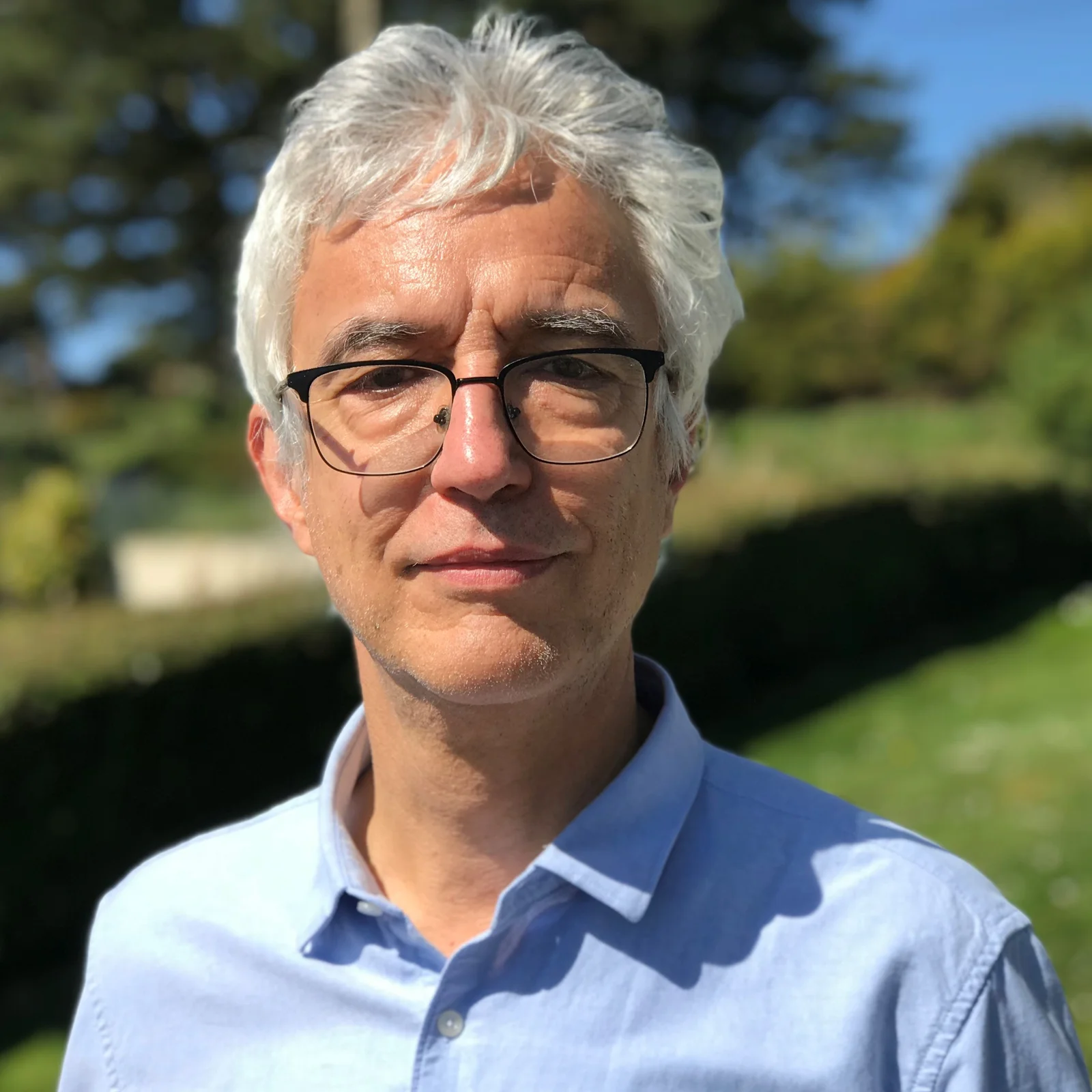
Senior Lecturer in Cultural Data Science, King's College London.
TBCAndrea Ballatore is Senior Lecturer (Associate Professor) in Cultural Data Science at the Department of Digital Humanities at King’s College London, where he directs the Cultural Geo-Analytics Lab. His research develops and applies data science and GeoAI methods to investigate cultural dynamics in domains such as the creative and cultural industries, GLAM (galleries, libraries, archives, and museums), human geography, and war studies. His main themes include: the geographic patterns of cultural venues, activities, and audience participation to uncover and address spatial inequalities; the use of user-generated content for urban analytics and planning; the semantics of geographic information and geo-parsing; and geo-visualisation and exploratory methods for digital History. He is Fellow of the UK Royal Geographical Society and Alumnus of the Centre for Spatial Studies, University of California, Santa Barbara. His work has received funding from UKRI, Ordnance Survey UK, and Facebook Research. He is a strand co-lead on the Leverhulme-funded £10m Centre for Slavery in War.

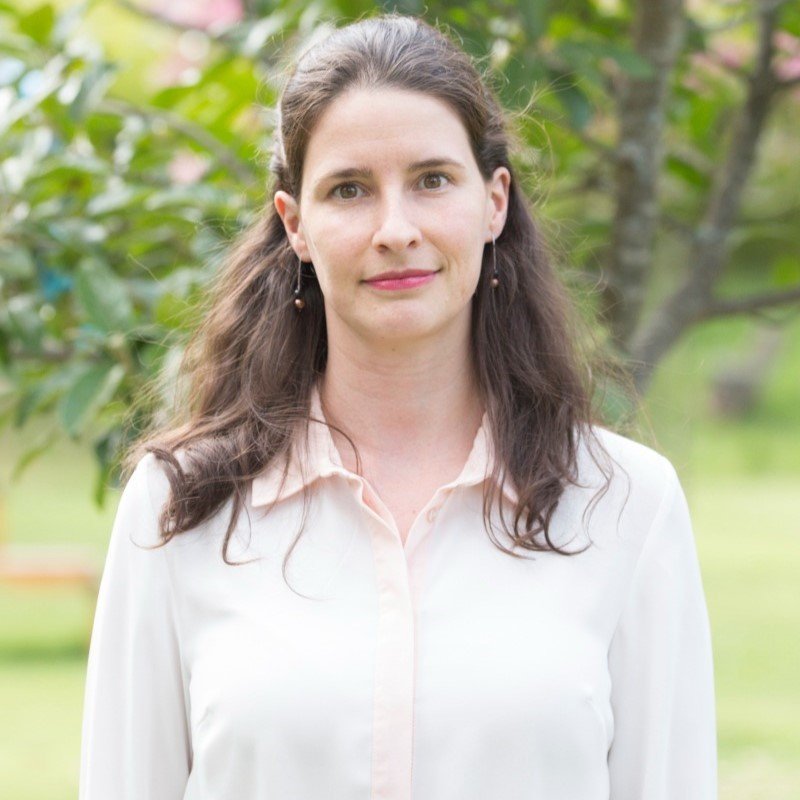
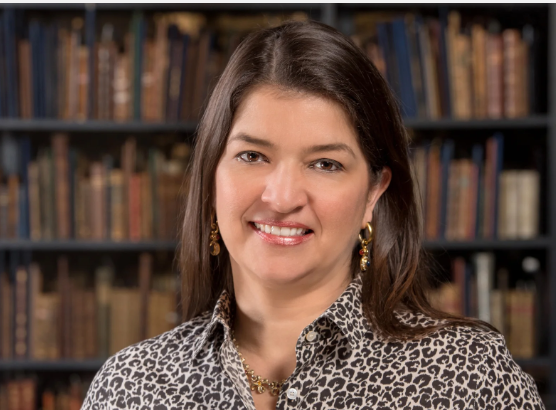
Researcher and professor at Universidad del Azuay, Ecuador.
TBCDaniela Ballari is a researcher and professor at the Universidad del Azuay (Ecuador). She holds a degree in Surveying Engineering from the Universidad Nacional de Córdoba (Argentina) and was a research fellow at the Universidad Politécnica de Madrid (Spain). She earned her PhD in Geographic Information from Wageningen University (Netherlands). Her research focuses on spatio-temporal statistical methods applied to the environment, climate, and renewable energy. Dr. Ballari has participated in academic and scientific activities across several countries, including Argentina, Ecuador, Spain, the Netherlands, Belgium, Cuba, Panama, Colombia, and Mexico. She has collaborated with prestigious institutions such as the National Geographic Institute of Spain, the World Wildlife Fund (WWF), the Galápagos National Park, the Charles Darwin Foundation, and the Electricity Corporation of Ecuador (CELEC). In recent years, her work has been centered on spatio-temporal remote sensing processing and characterizing the dynamics of essential climate variables to support renewable energy prospection.

Director of U-Spatial and Managing Director of GeoCommunities, University of Minnesota.
TBCLen Kne is Director of U-Spatial and Managing Director of GeoCommunities at the University of Minnesota. He leads an interdisciplinary team pioneering a university-wide model for geospatial support centers that foster spatial fluency across research, teaching, and community engagement. He is co-author of The Spatial Edge: The Strategic Advantage of GIS Skills Across Higher Education (Esri Press), which provides a practical roadmap for university colleagues to address complex challenges while preparing students with in-demand spatial skills. He looks forward to a future where spatial thinking is a fundamental part of how everyone understands and engages with the world.
GIS LATAM 2026 welcomes scientific papers, posters, visualizations, dashboards, StoryMaps, artistic explorations and early-career participation.
Research posters, StoryMaps, dashboards and student competition.
Art, design and speculative explorations of the future of spatial thinking.
Doctoral and early-career guidance, feedback and community building.
The detailed schedule will be announced after the review process. The program will combine keynote talks, technical paper sessions, student activities and networking spaces.
Invited talks from international leaders in GIScience, GeoAI, spatial data science and urban intelligence.
Peer-reviewed research presentations organized by topic and aligned with Springer CCIS proceedings.
Poster presentations, visualizations, dashboards and student competition activities.
Spaces for collaboration among researchers, reviewers, students, institutions and industry partners.
Previous GIS LATAM editions document the evolution of the conference and its international academic community.
GIS LATAM has evolved from an annual scientific meeting into an international conference series connecting researchers, students, reviewers and institutions across Latin America and beyond.
Proceedings volume, DOI and paper links.
Program committee members, reviewers, editors and advisors supporting the scientific quality of GIS LATAM.


GIS LATAM brings together researchers, students, institutions and practitioners working on GIScience, GeoAI, spatial data science, remote sensing and applied geospatial technologies. The conference promotes scientific excellence, international collaboration and innovative geospatial solutions for Latin America and beyond.
GIScience, GeoAI, remote sensing, spatial analysis and urban intelligence.
Geospatial tools, prototypes, dashboards, software platforms and applied innovation.
A collaborative network across Latin America, North America, Europe, Asia and Australia.
Spatial analysis, geovisualization, cartography and geographic information theory.
Machine learning, LLMs, remote sensing and spatial data science.
Mobility, climate, risk, public health, infrastructure and territorial planning.
WebGIS, dashboards, digital twins, decision support and geospatial platforms.
info@gislatam.org
gislatdiplomas@gmail.com
gislatamfacturas@gmail.com
committeegislatam@gmail.com